
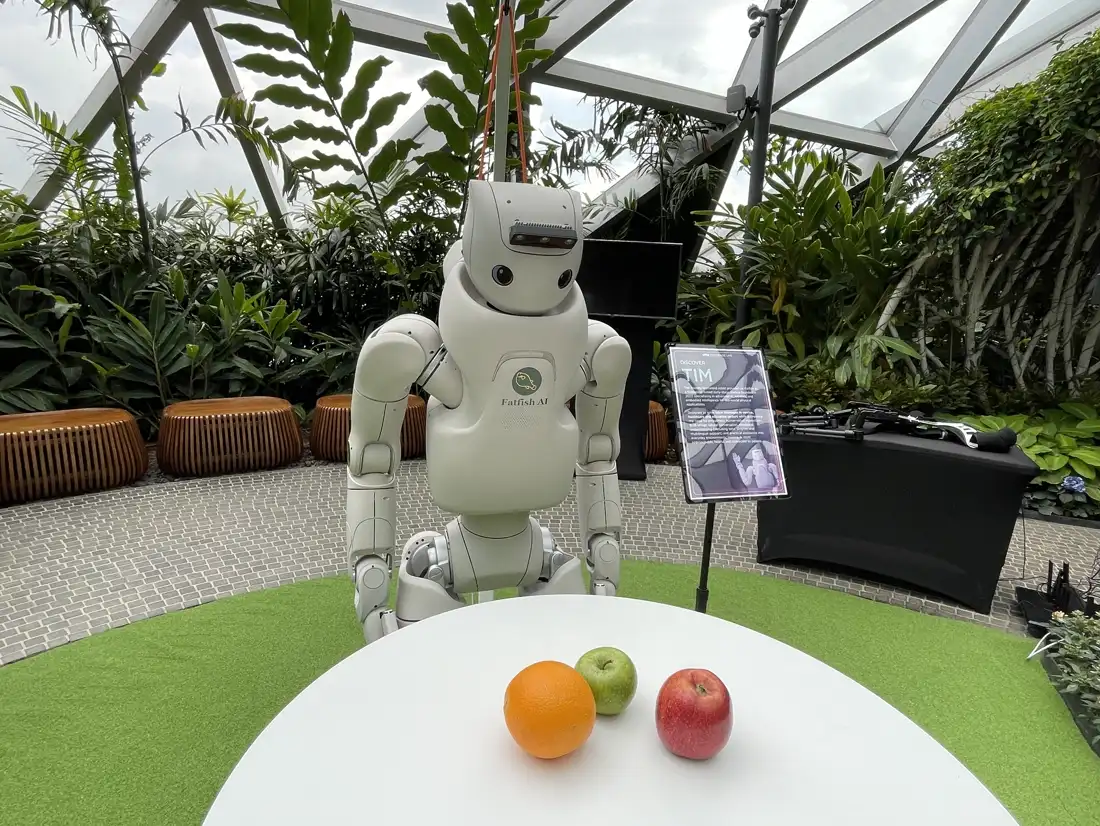
L1
Robot Discovery
Open for registrationMeet the robot, learn to command it, and build a performance of your own.
- Lessons
- 12 lessons
- Fee
- S$1,200
For Sec 3–4, JC, polytechnic and university students in Singapore. You assemble the machine, program it from drag-and-drop all the way to Python and ROS 2, and find out for yourself why it will not walk. Not a kit, not a simulator-only course, not a robot show.
Now enrolling for the next class · nothing is payable now · a teacher replies within 24–48 hours
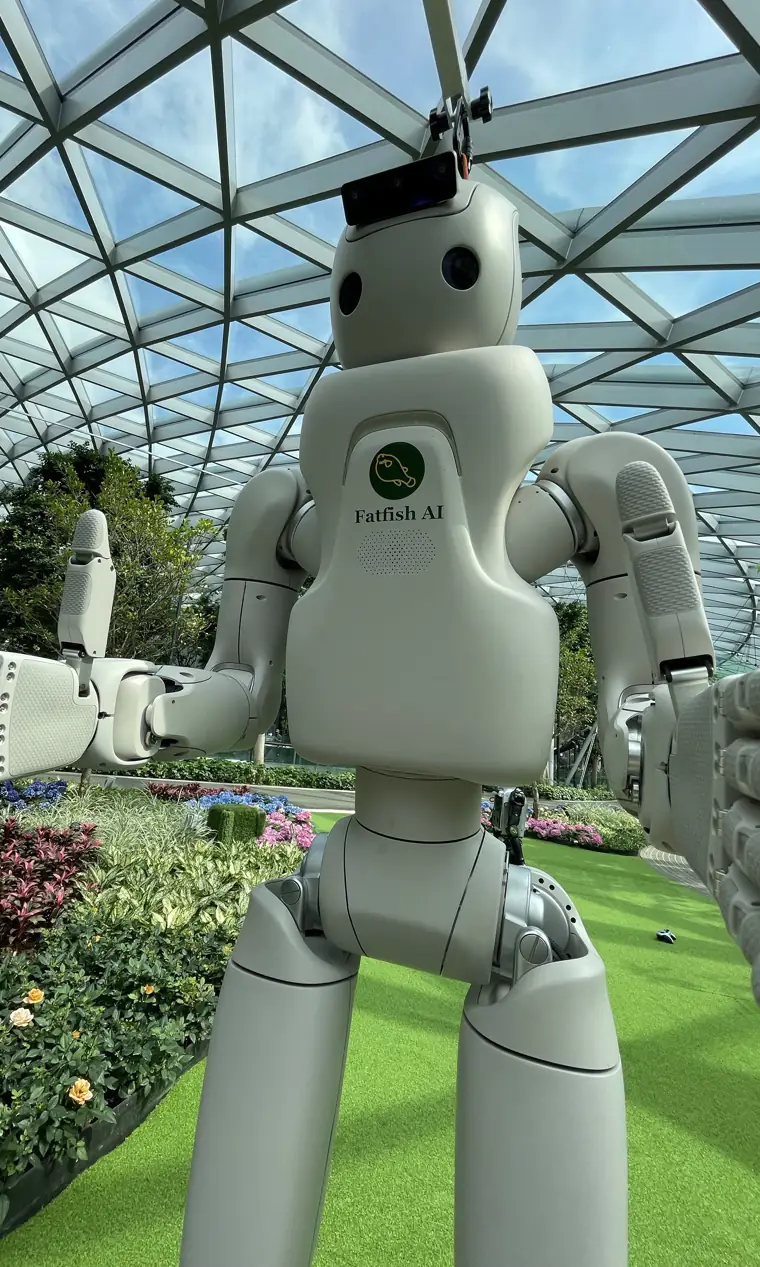
Our own humanoid · Singapore
A simulator always obeys you. A robot does not — and that gap is exactly what students learn to close.
A motor stalls, a sensor reads the wrong distance, the floor is not level. Students stop debugging code on a screen and start working out which part of a physical system is wrong.
Drag-and-drop control becomes Python, then ROS 2, and finally a Physical AI system that perceives, decides and acts on its own. Nothing is taught twice, and nothing is skipped.
Every lesson is written by the engineering team at Fatfish AI, whose vision and task software runs on humanoids deployed in industry. Students learn the method used at work, not a school version of it.
The hardware
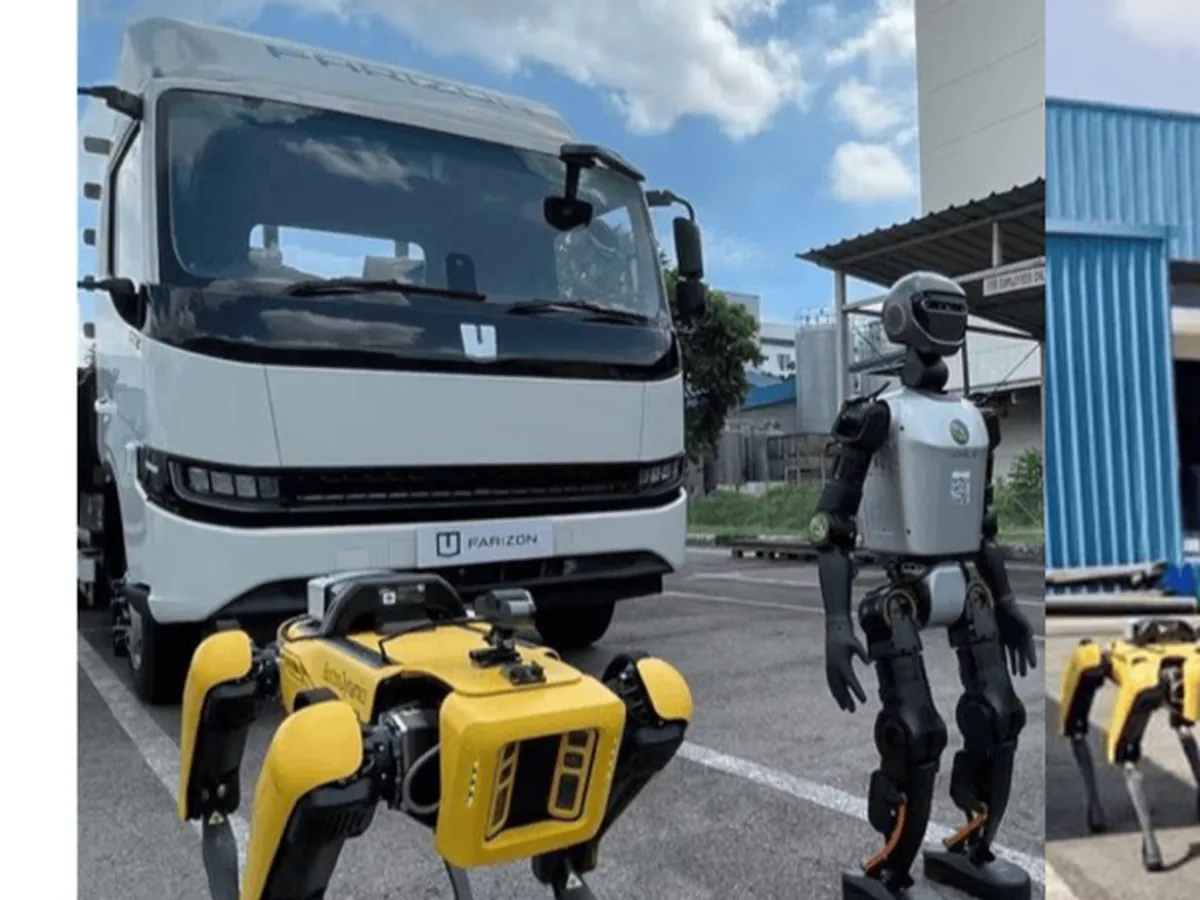
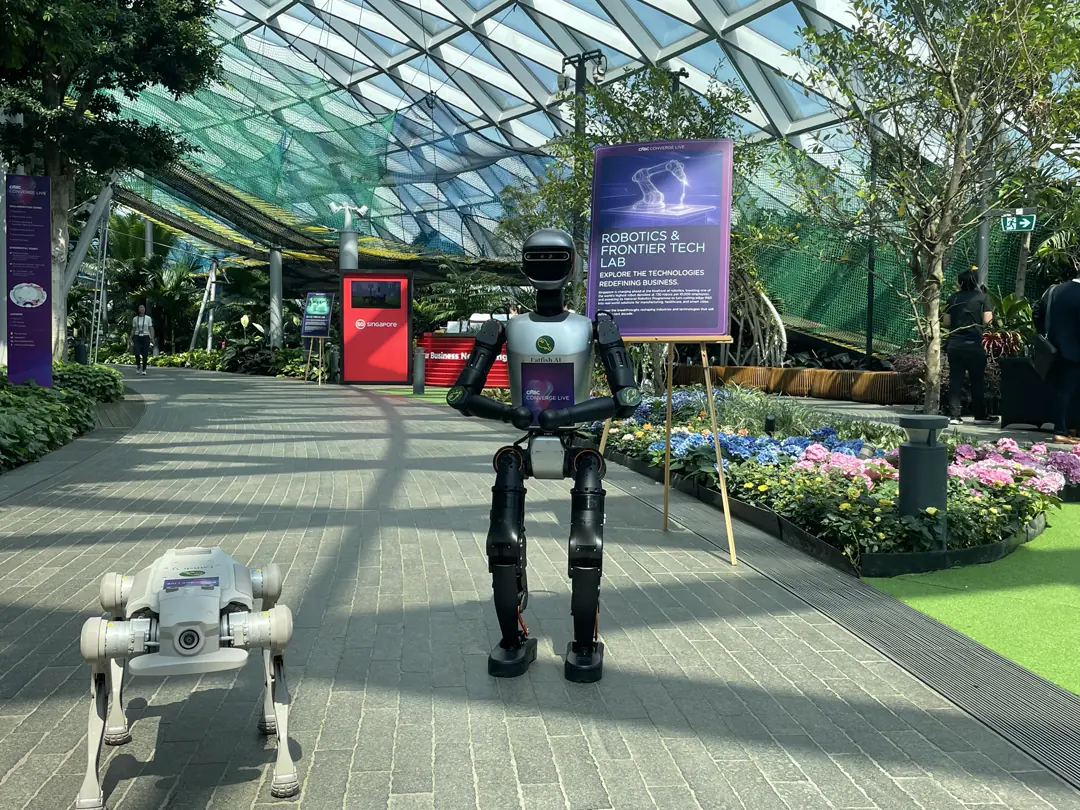
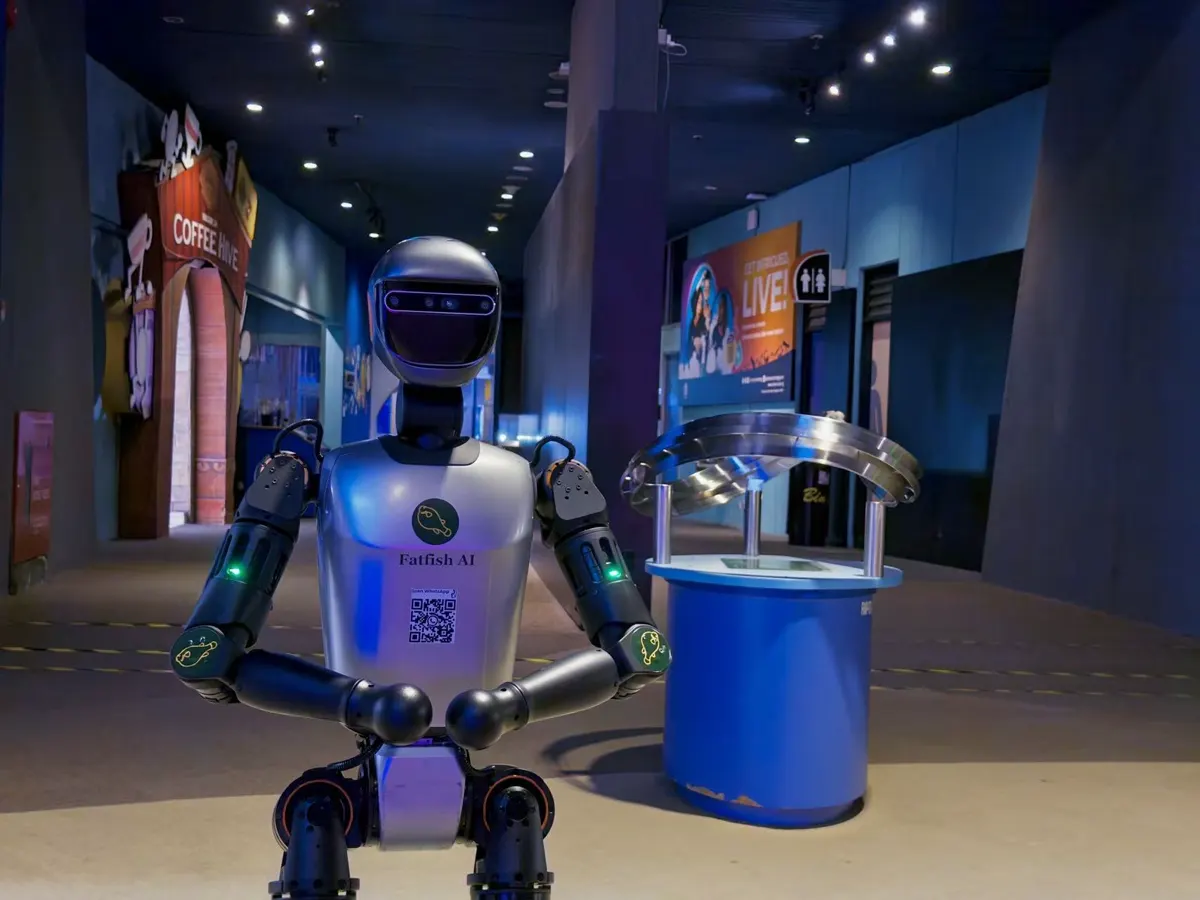
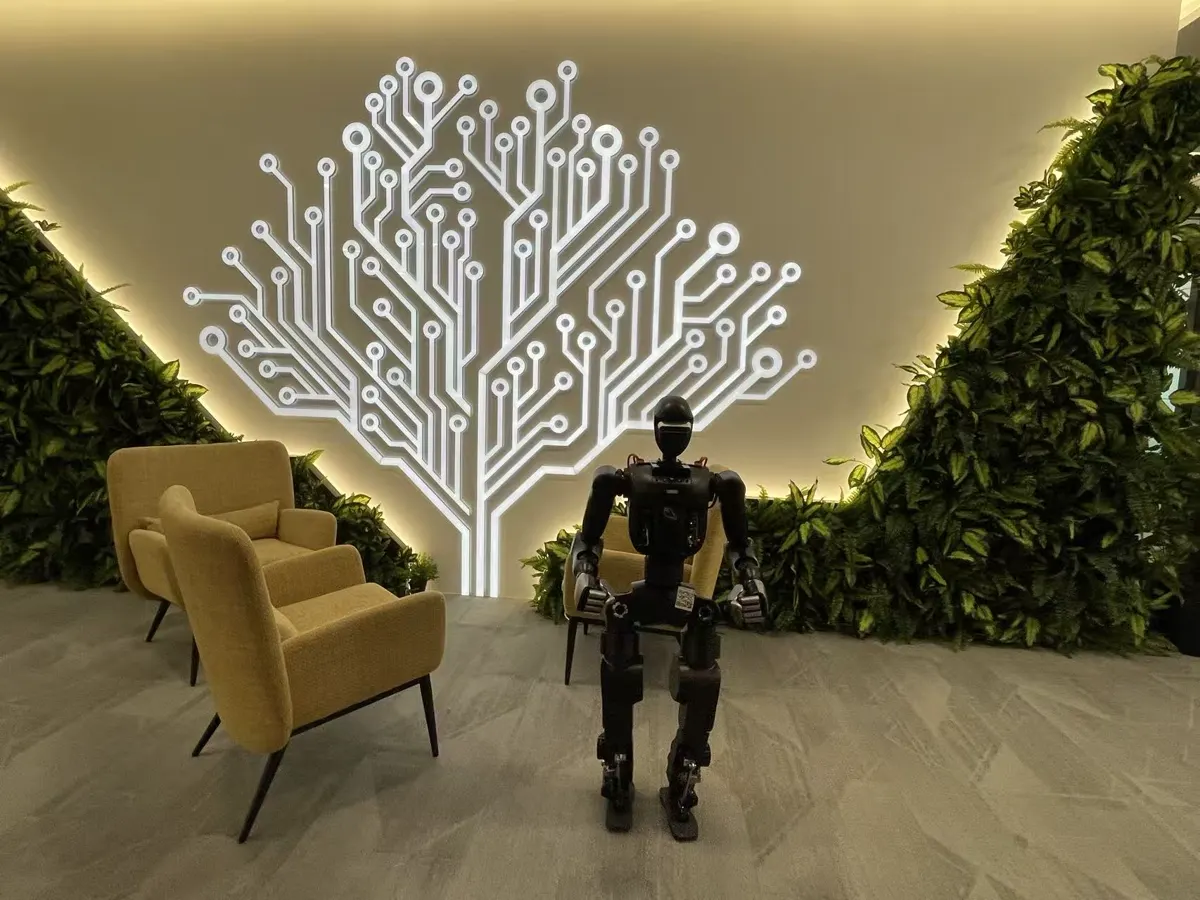
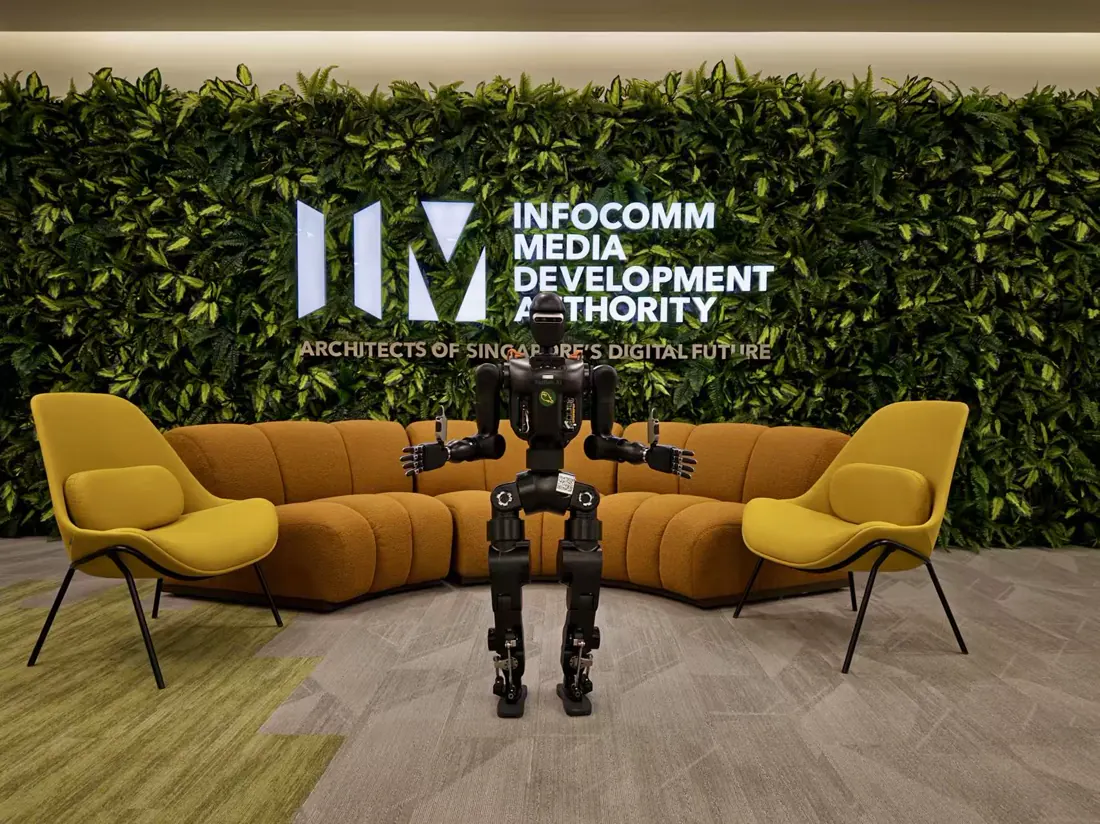
ElebotX rents and sells humanoids to research labs, events, healthcare providers and schools in Singapore. These are the machines behind that business — and the class of hardware students work with here.
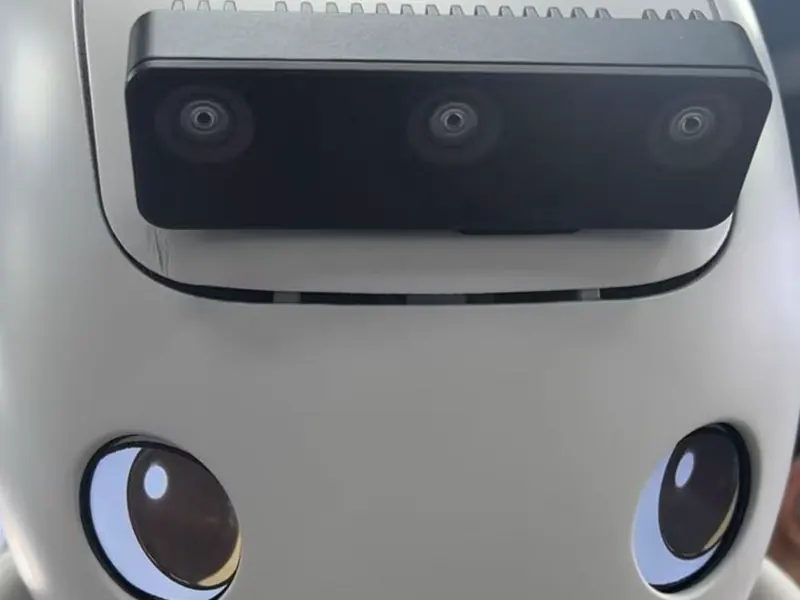
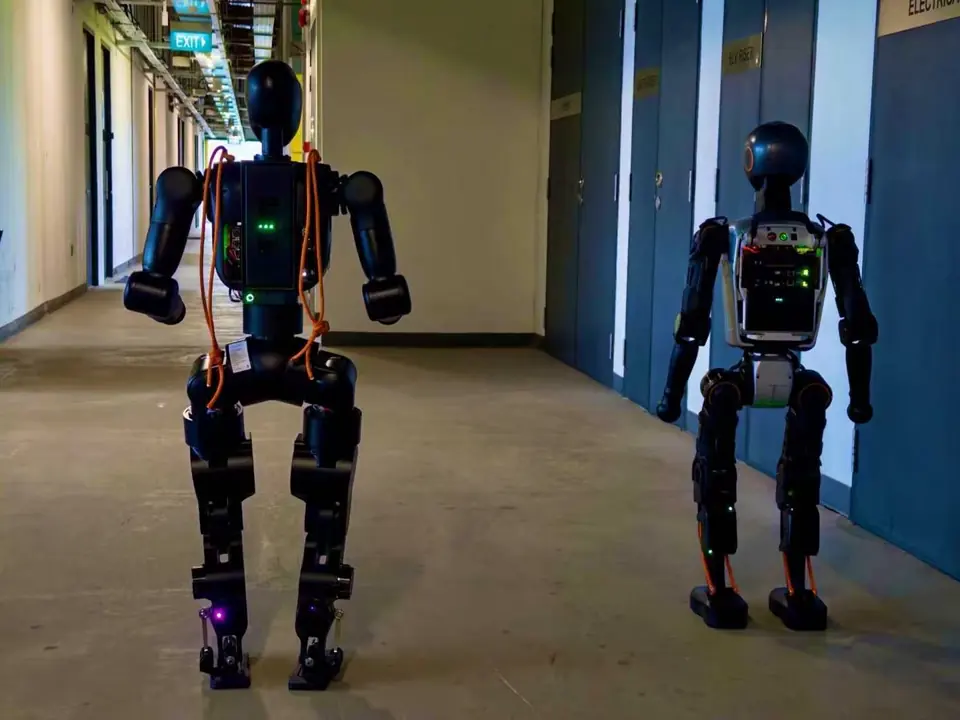
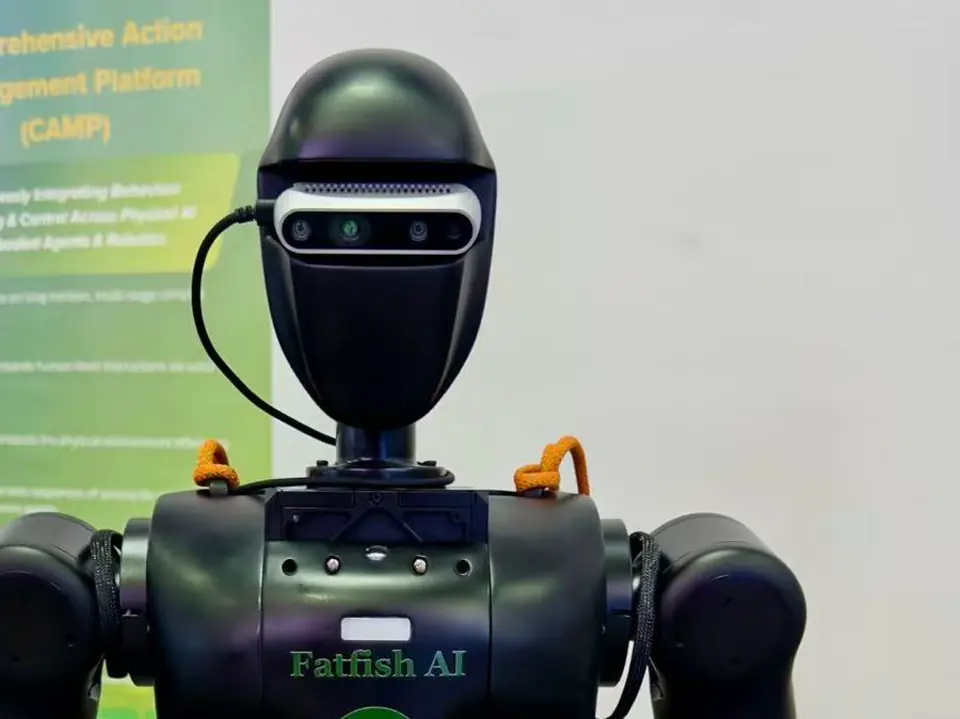
Ninety minutes, small groups around one table, and the same rhythm every week. Before a lesson the table holds printed worksheets; once it starts, it holds open laptops.
Every student holds a set of response cards. The class answers at the same time, so the quiet student is counted rather than skipped.
The same question is voted on at the start and at the end of a lesson, and students watch their own answer change.
Route, program and test log are written down first. Fixing a mistake on paper is quick; fixing it on the robot costs the whole class time.
Three parts you can name, two reasons and one open question you still have — handed in at the door.
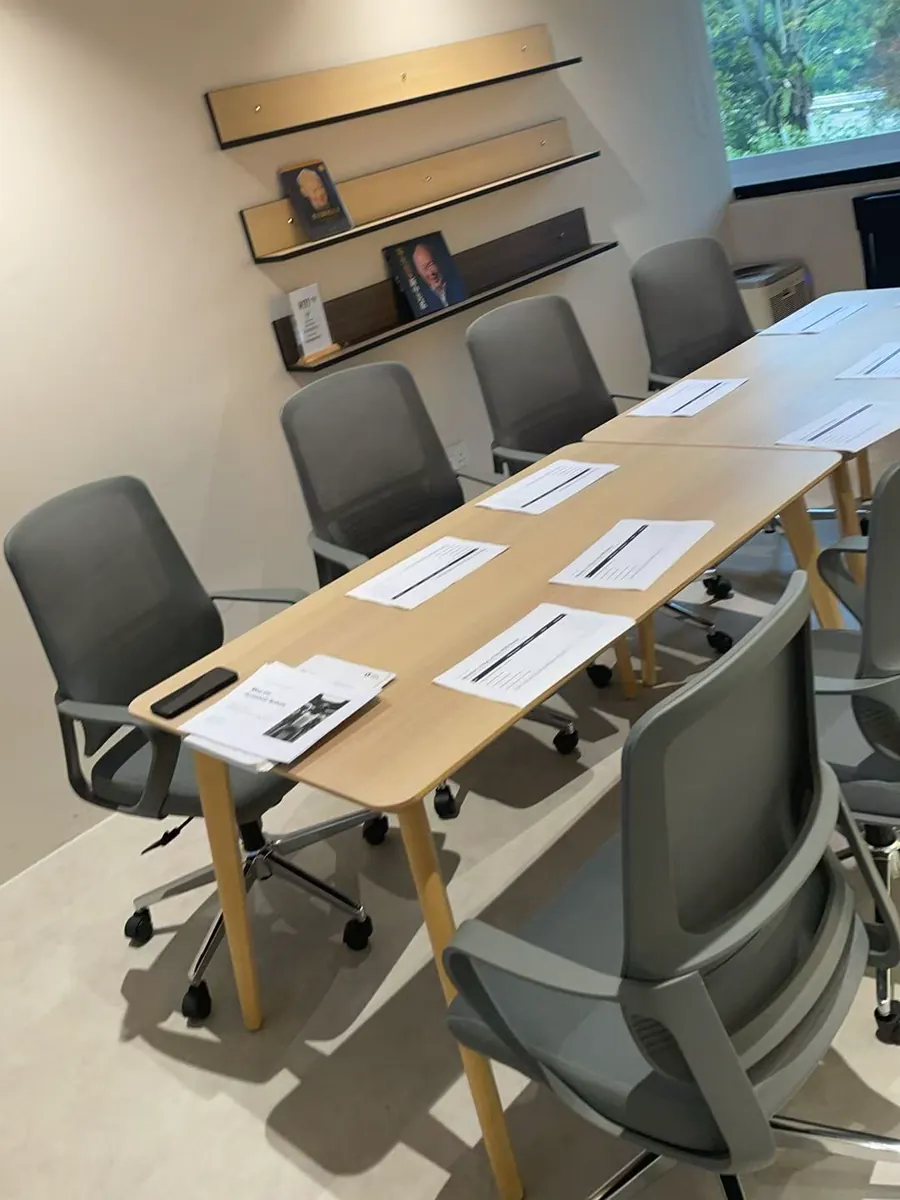
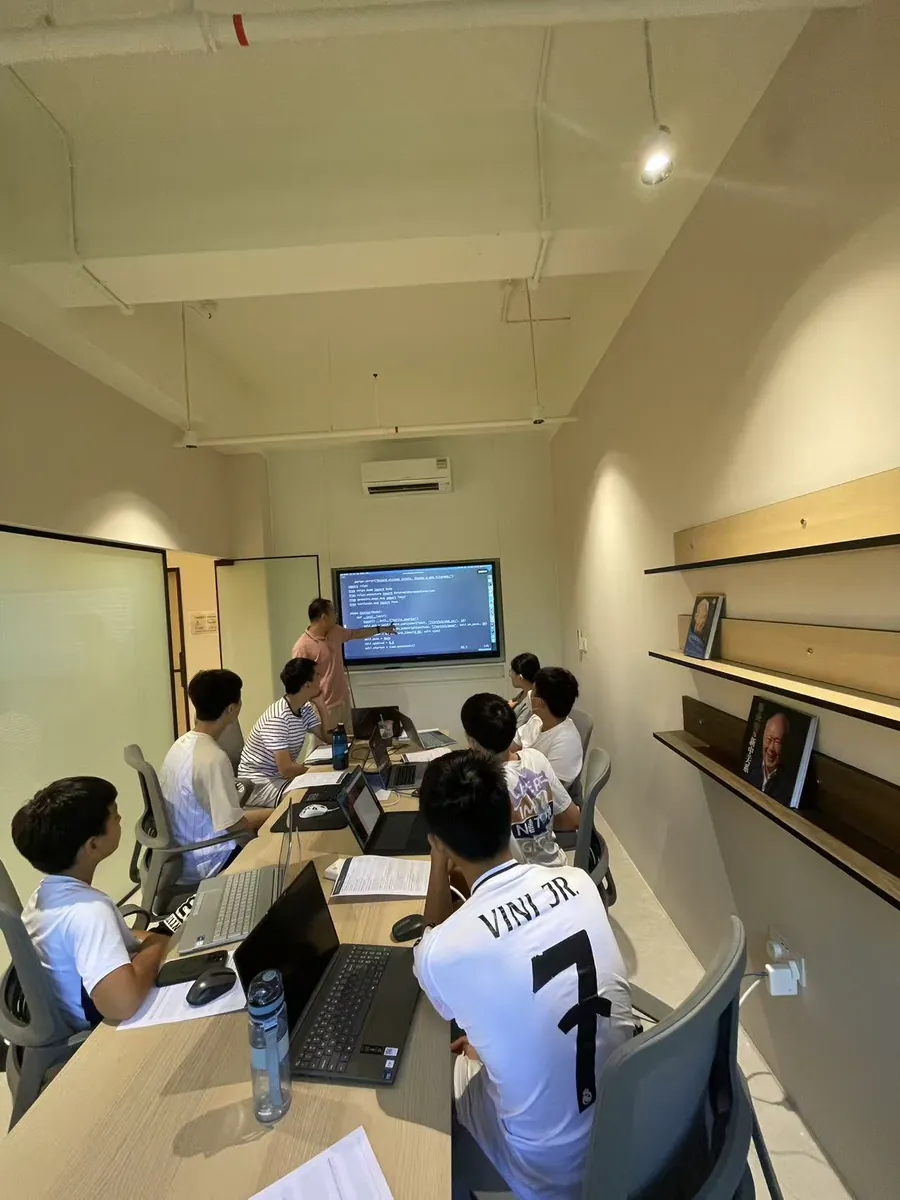
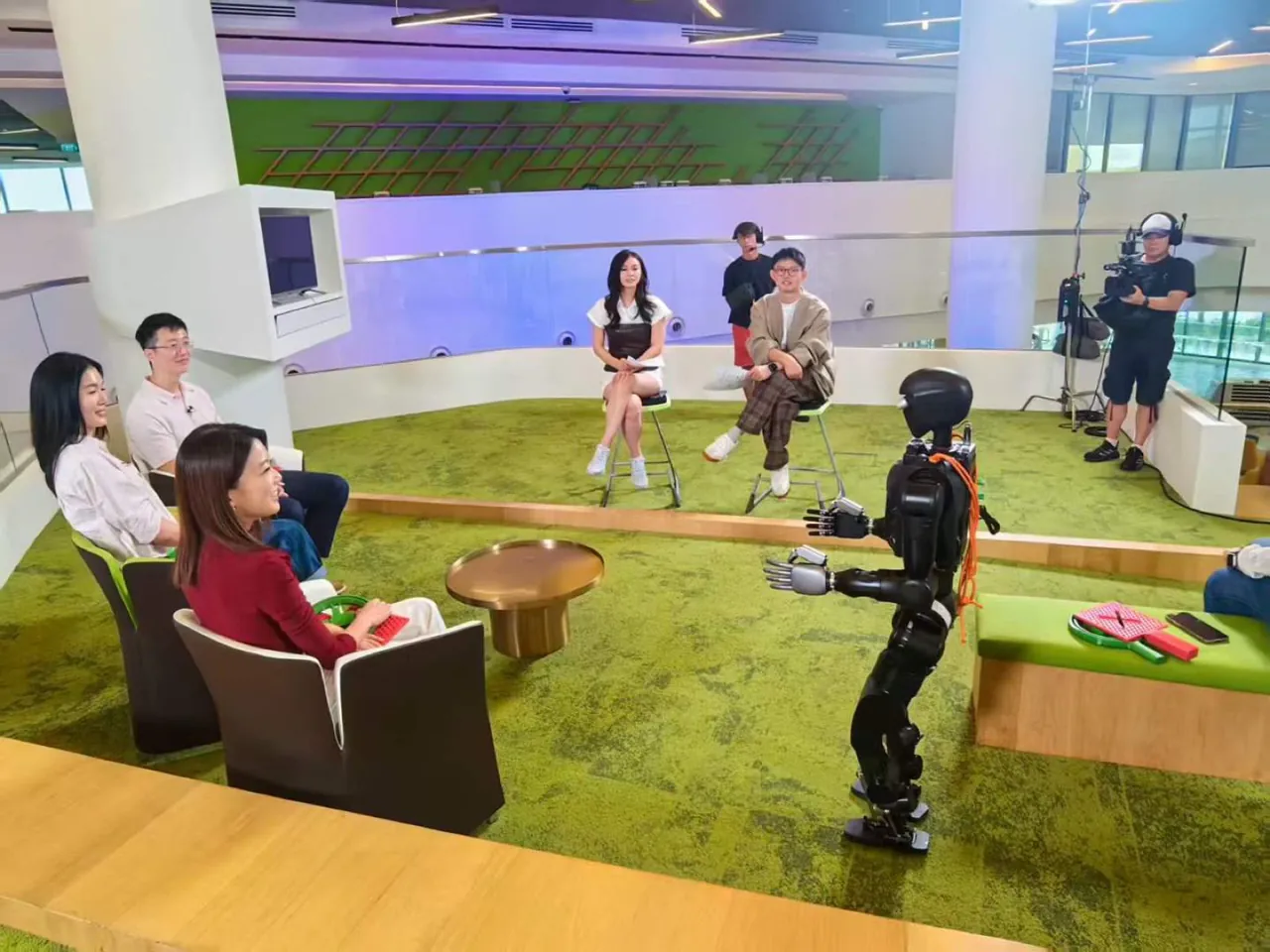
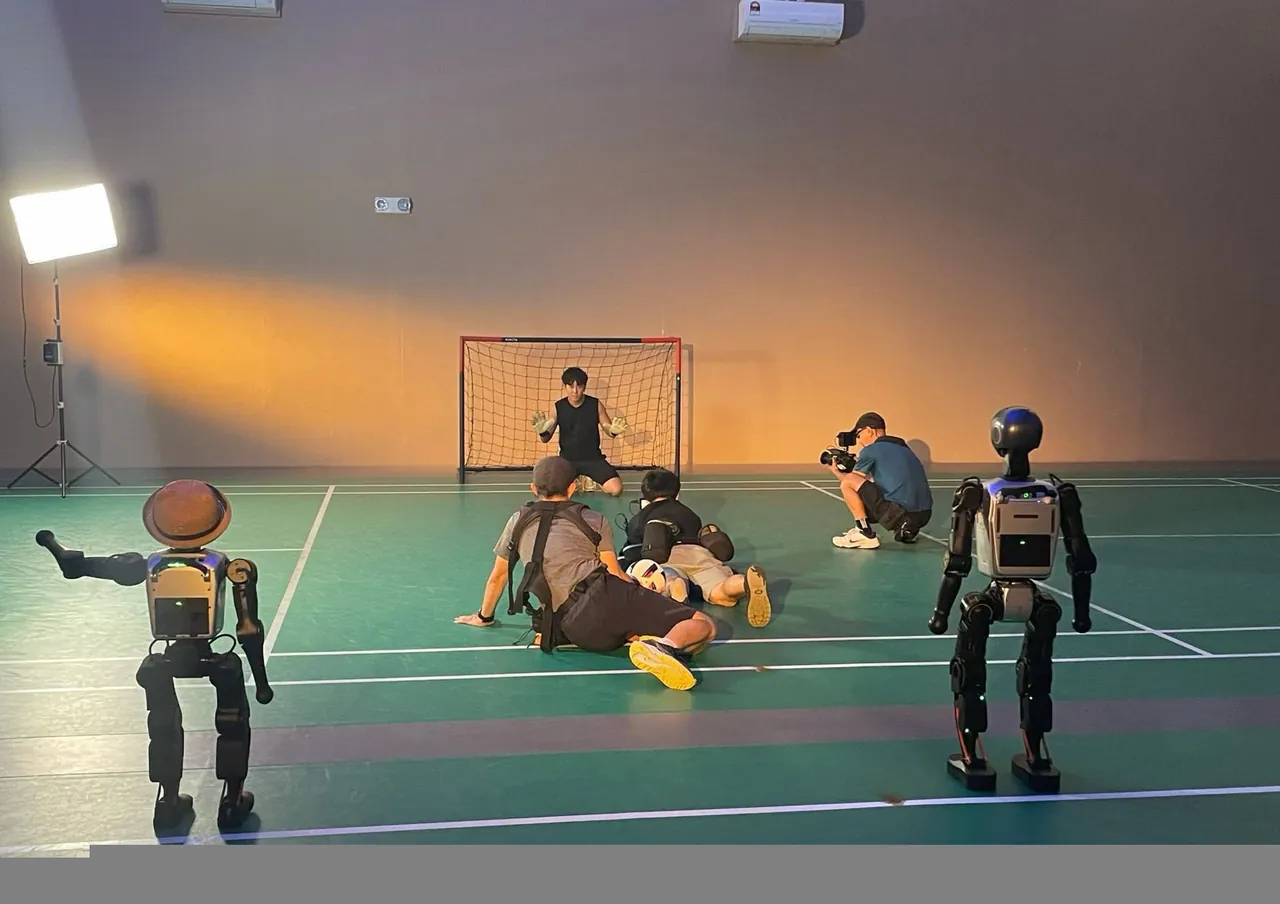
The course is written out of work the company actually does — these are our machines, our sites, our filming days.
01 / 07
Humanoids put through a football test session with the cameras rolling. Behaviour is validated like this, over and over, before it ships.
Level 1 is open for registration now. Each level opens as students are ready for it.
L1
Meet the robot, learn to command it, and build a performance of your own.
L2
Variables, conditions, loops and functions — your first Python that actually drives a robot.
L3
Linux, robot messaging and Python on ROS 2 — then computer vision on a real humanoid.
L4
Put it together: AI vision, decision-making and autonomous tasks on one integrated robot system.
Humanoid football at the World Humanoid Robot Games: fully autonomous, onboard vision and computation only. This is the standard the path aims at.
Public event footage of competing teams' machines — not our students. We would rather show you the real standard than a highlight reel.
Every level connects the same three things. What changes is how much of it the student writes themselves.
Camera images, distance, sound. Students learn why a sensor is wrong before they learn how to correct it.
Rules first, then code, then models — a robot that recognises a person and chooses what to do about it.
Joints, balance, motion. An answer is only correct if the machine actually moves, and stays upright.
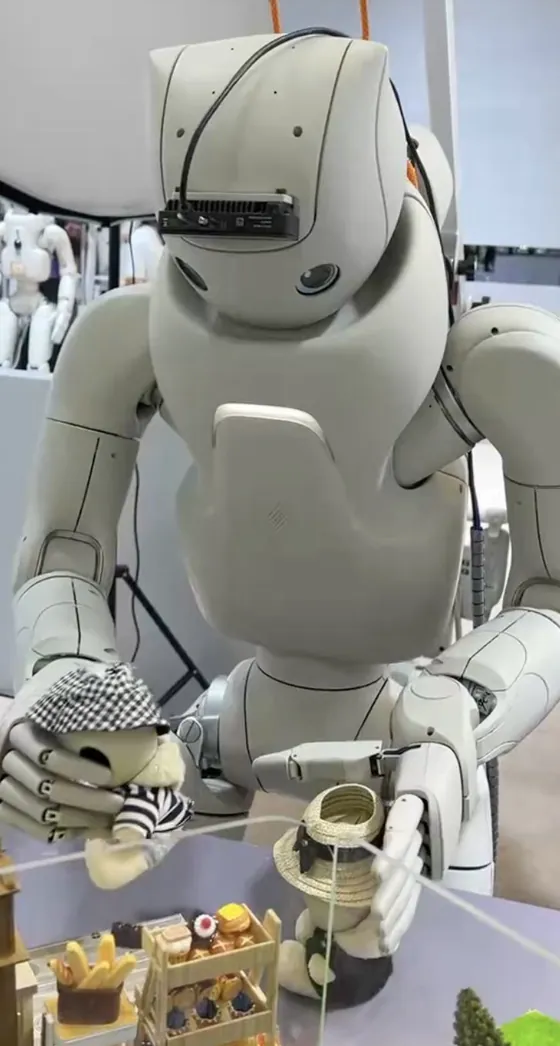

One of the things ElebotX does
ElebotX rents and sells humanoids in Singapore — to research labs, events, healthcare, industry and schools. The engineers who deploy those machines are the ones who wrote this course, so what you learn is the method used on a paid job, not a school version of it.
The engineering behind it comes from Fatfish AI, the Singapore Physical AI company whose vision and task software runs on those robots. The curriculum is that work reorganised for students: the same perceive–plan–act loop, at a scale a student can hold in their hands.
See the robots ElebotX rents and sells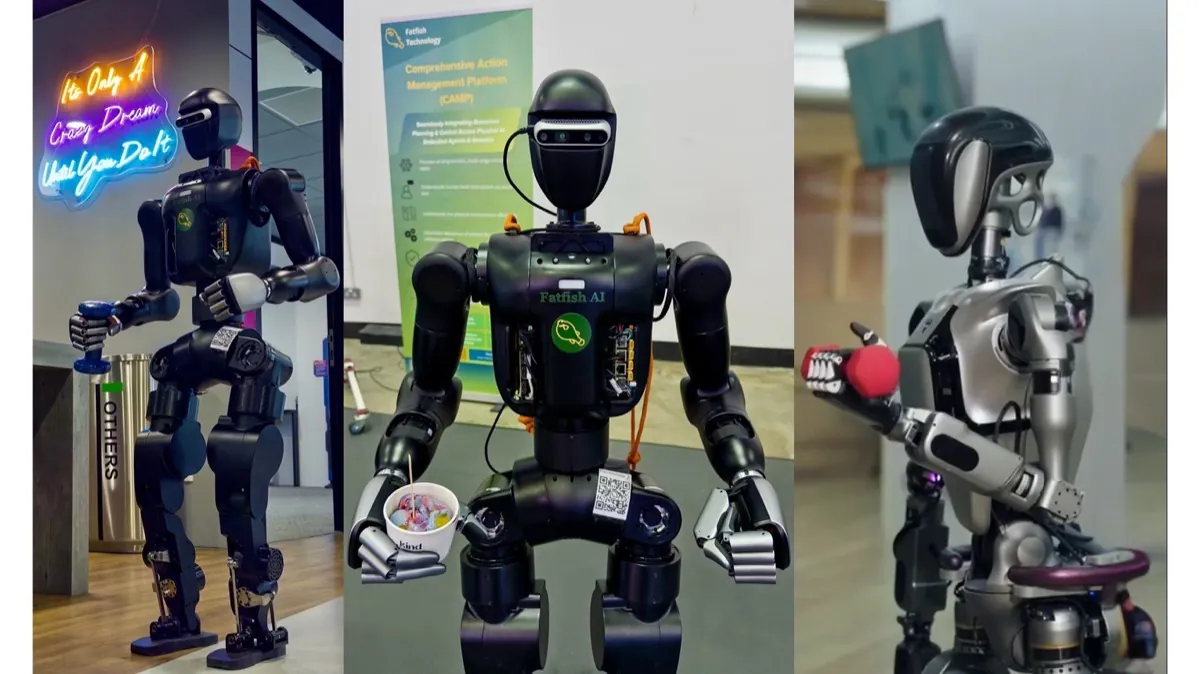
Recommend someone who pays for and completes the course, and earn S$100 in cash. One successful referral is S$100.
Send us a registration and a teacher will e-mail you within 24–48 hours to confirm the class. Nothing is payable now.
We would like to use one analytics cookie to see which pages people actually read. Nothing is loaded until you choose. Privacy Policy